
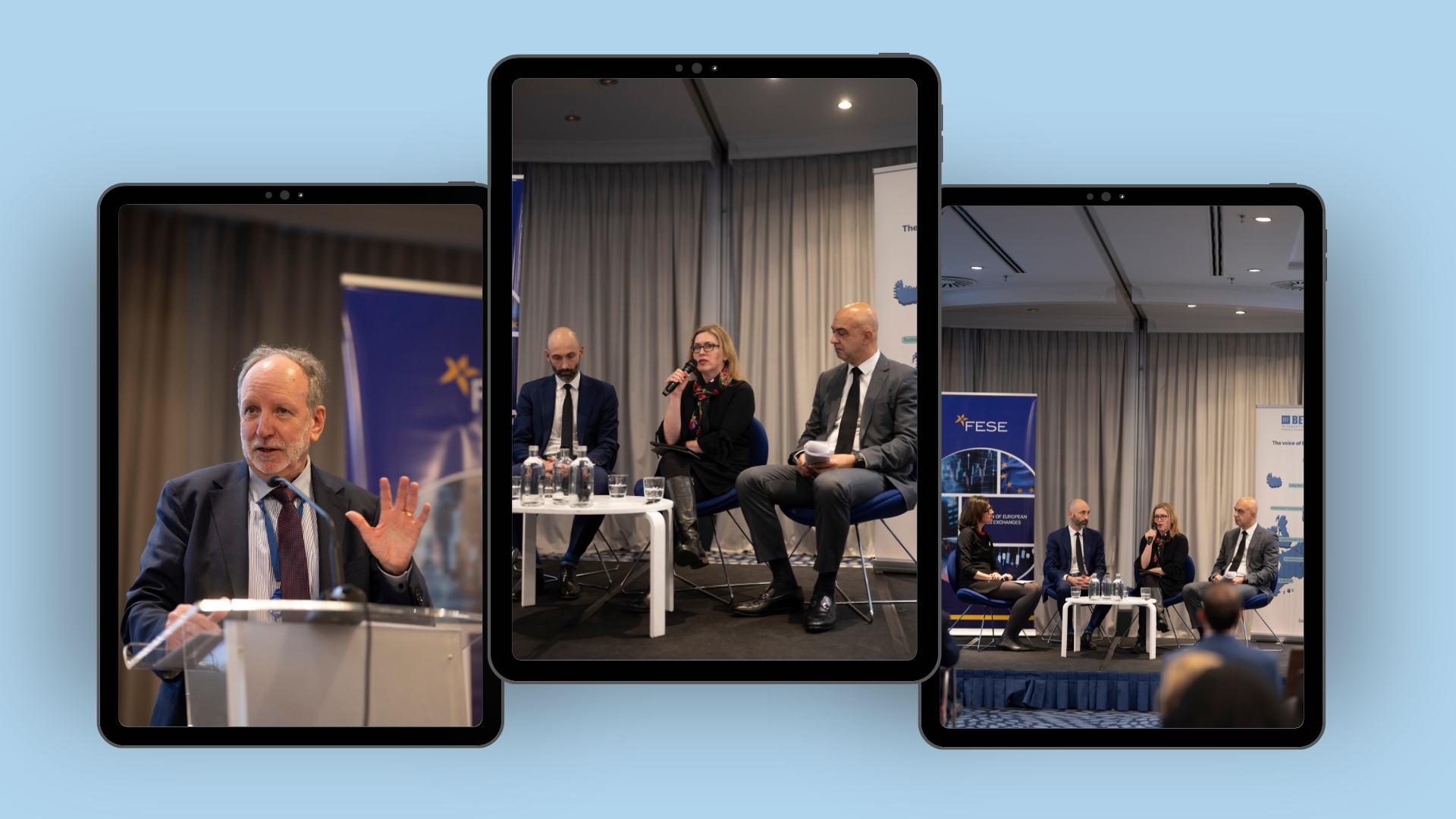
European Retirement Week, held annually during the last week of November, brings together a wide range of stakeholders to debate the future of pensions in Europe and to raise awareness of the importance of long-term savings and retirement adequacy. As part of this year’s edition, BETTER FINANCE and FESE co-organised the conference “Turning Savings into Long-Term Growth: The Role of Capital Markets”, hosted on 27 November in Brussels. The event gathered policymakers, market infrastructure representatives, and retail investor advocates to explore how Europe can better channel its significant pool of household savings into productive investments and advance the objectives of the Savings and Investment Union.
Setting the vision for a fair, transparent and efficient EU capital markets
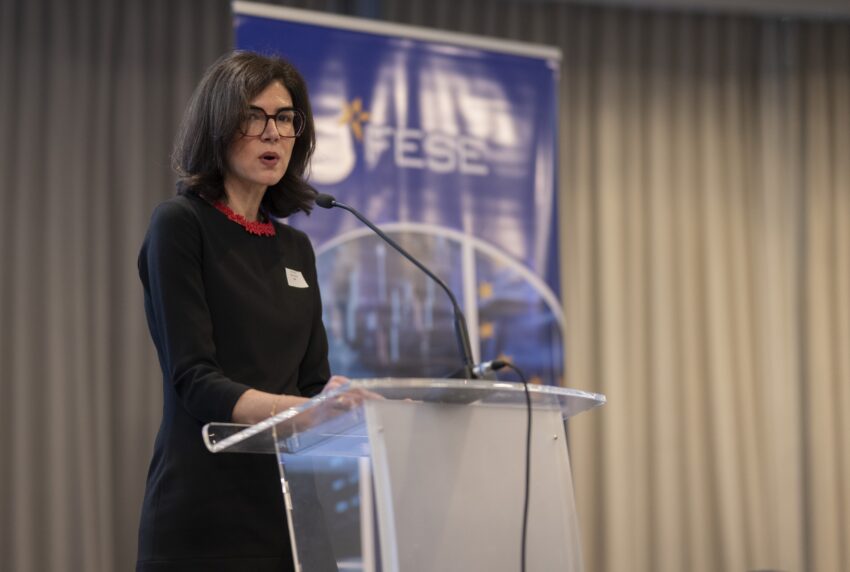
Welcoming the conference participants, Rosa Armesto, Director General of FESE, emphasised the importance of recent EU initiatives such as the Commission’s recommendation on the Savings and Investment Account and the reform of supplementary pensions through PEPP and IORPs. She stressed that these measures will only succeed if Europe also guarantees efficient, fair, and transparent capital markets, built on strong principles of capital allocation, market integrity, and inclusive trading.
Looking ahead to the European Commission’s forthcoming market integration package, she highlighted the joint BETTER FINANCE–FESE call for more transparent, liquid, and competitive financial ecosystems. Armesto emphasised that well-functioning primary and secondary markets are mutually reinforcing, supporting both corporate access to capital and citizens’ ability to grow their savings for a decent retirement.
Why Europe needs a Savings and Investment Union?
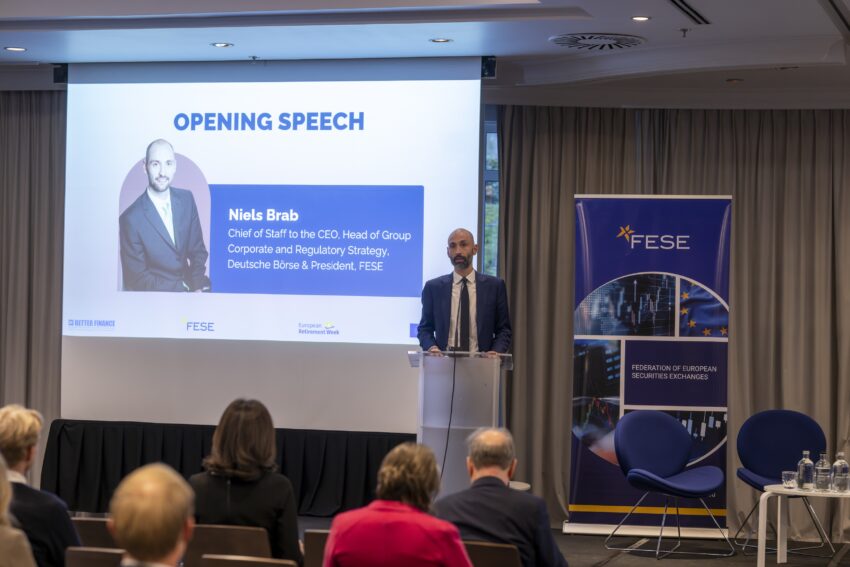
In the first keynote address, Niels Brab, President of FESE and Chief of Staff to the CEO at Deutsche Börse, placed the discussion in a broader geopolitical and economic context, highlighting Europe’s persistent growth challenges and the mounting pressure on pension systems. He warned that without reform, the social contract underpinning the European social market economy—promising prosperity and protection from old-age poverty—is at risk, citing low participation in occupational and personal pensions alongside rising fiscal burdens.
At the same time, he stressed that Europe is not short of money but of mobilisation, with vast amounts of unproductive savings and significant pension assets that could be channelled more effectively into capital markets. Brab welcomed the new momentum around the Savings and Investment Union, particularly the focus on the “demand side” through supplementary pension reforms, the Savings and Investment Account, and financial literacy, combined with technological change that makes market access easier than ever.
The EU’s Policy Response to enhance capital markets
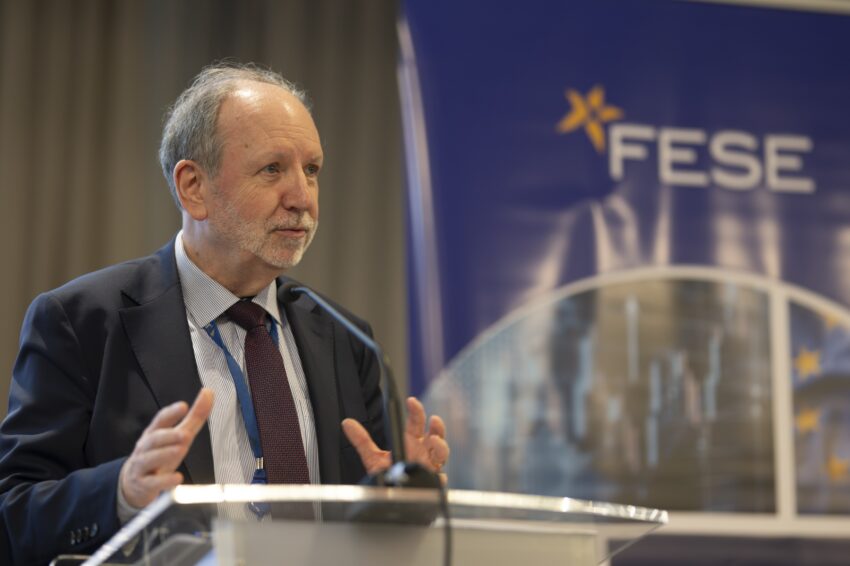
Presenting the policymakers' perspective, John Berrigan, Director General of DG FISMA, outlined in his keynote address the concrete steps the European Commission is taking under the Savings and Investment Union (SIU) strategy to strengthen capital markets and improve outcomes for savers.
In his speech, he highlighted the retail investment package (including the recommendation on Savings and Investment Accounts and the EU’s first financial literacy strategy) to make it easier and more attractive for citizens to invest beyond bank deposits. Berrigan also focused on the newly launched pension package to boost supplementary pensions through better information tools (pension tracking systems and dashboards), auto-enrolment, and reforms to IORP and PEPP rules to achieve greater scale, lower costs, and more effective long-term investment.
He then offered a “sneak preview” of the upcoming market integration and supervision package, aimed at reducing fragmentation, simplifying cross-border activity, embracing digital finance, and enhancing supervisory convergence and centralisation, notably via a stronger role for ESMA.
How can EU markets become attractive, accessible and fit for retail investors?

In the fireside chat, the panel explored how Europe can unlock its vast pool of retail savings and channel it into long-term growth. BETTER FINANCE’s Managing Director, Aleksandra Mączyńska, highlighted findings from BETTER FINANCE’s recent survey, emphasising low financial literacy, behavioural barriers, and the need for simple, value-for-money products—such as well-designed Savings and Investment Accounts—to help citizens move from saving to investing.
George Theocharides, Chairman of the Cyprus Securities and Exchange Commission, brought the regulatory and national perspective, stressing that cultural and historical preferences for bank deposits remain strong in many Member States. He argued for a gradual transition supported by simple investment products, better financial education, and smarter frameworks such as securitisation and consolidated supervision, while preserving the expertise of national authorities.
On the other side, Niels Brab focused on the conditions needed to boost investor demand at scale, underlining the importance of easy digital access, broad product availability, and competitive, transparent markets that enable both diversification and strong returns.
The panel also discussed the importance of deeper, less fragmented secondary markets for better price formation and IPO activity, the need for tax incentives aligned with EU investment, and the role of digitalisation in democratising market access. The debate underscored a shared message: Europe can only mobilise savings effectively if markets are attractive, simple, trustworthy, and offer investors genuine long-term value.
Closing remarks
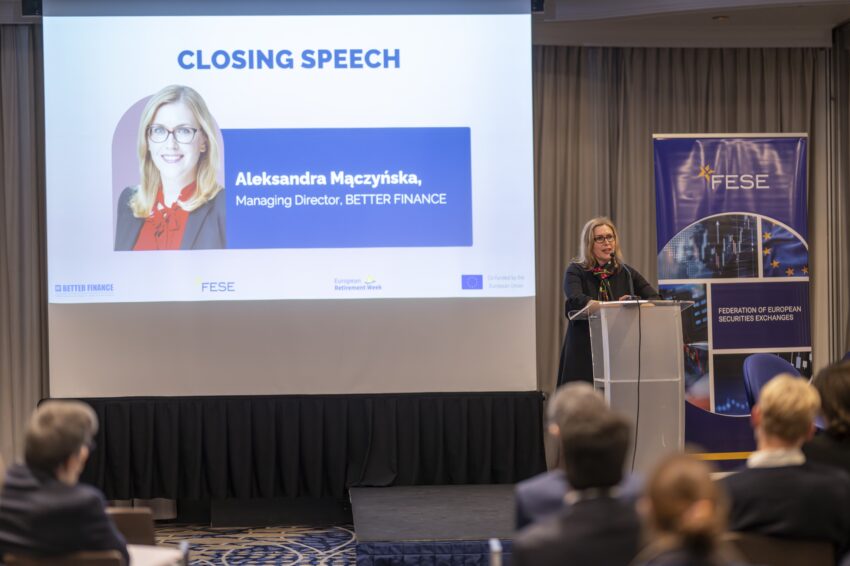
As the conference drew to a close, Mączyńska reminded participants that while the Commission has put forward an ambitious package to strengthen pensions, mobilise savings, and make capital markets work better for ordinary citizens, the responsibility now lies squarely with national governments. “What we need now is for the Member States to look at these proposals through the lens of consumers and savers, and to have the courage to adopt the solutions that will make a tangible difference across the EU,” concluded Mączyńska.